
Blog
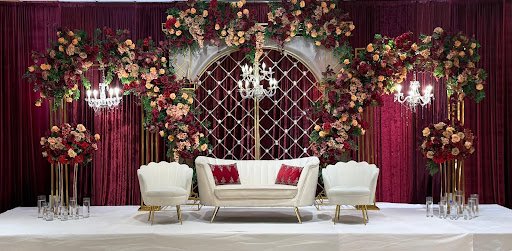
Wedding colors set the emotional tone of the entire celebration. As we step into 2026, couples are seeking palettes that feel personal, intentional, and visually timeless. We are seeing a strong shift toward colors that tell a story and reflect deeper meaning rather than temporary trends.
This blog is designed to educate and inform couples on everything they need to know about 2026 wedding color trends. From cultural influences to design execution, we share professional insight based on real planning experience at Ruban Events.
Table of Contents
- Why Wedding Color Trends Matter in 2026
- How 2026 Wedding Color Trends Are Evolving
- Signature Wedding Color Palettes for 2026
- Cultural and Seasonal Color Influences
- How Color Trends Shape Wedding Decor and Design
- Planning with Confidence in New York City
- Why Choose Us
- Ready to Design a Wedding That Reflects Your Vision in 2026?
- Frequently Asked Questions
Why Wedding Color Trends Matter in 2026
Wedding color trends are no longer about following what is popular. In 2026, colors play a strategic role in creating a cohesive guest experience. From invitations to floral design, colors guide how every element works together.
Couples today want intentional design choices that reflect their values, background, and style. A well-chosen palette improves visual harmony, enhances photography, and helps ensure that every detail feels connected rather than random.
How 2026 Wedding Color Trends Are Evolving
In previous years, weddings leaned heavily into minimal palettes. In 2026, we are seeing a balance between softness and depth. Couples are embracing layered tones instead of single-color schemes.
There is also a noticeable move toward warmth. Colors inspired by nature, heritage, and emotion are becoming more popular than overly bright or artificial shades. This shift reflects a desire for meaningful celebrations rather than purely aesthetic ones.
Signature Wedding Color Palettes for 2026
Some of the most requested color directions we are seeing for 2026 include:
- Earth Inspired Neutrals: Warm beige, soft clay, muted taupe, and natural stone tones are being used as primary palettes rather than background accents. These colors work beautifully for both indoor and outdoor weddings.
- Modern Jewel Tones: Emerald, sapphire, deep plum, and rich burgundy are returning with a refined approach. Instead of overpowering decor, these tones are paired with softer neutrals for balance.
- Romantic Pastel Depths: Blush, dusty rose, muted lavender, and soft peach are evolving into deeper, more grounded versions. These updated pastels feel elegant and mature rather than overly sweet.
- Culturally Rich Color Stories: Many couples are choosing palettes inspired by their cultural traditions. Rich reds, golds, deep greens, and royal blues are being thoughtfully incorporated into modern design.
Cultural and Seasonal Color Influences
Cultural identity plays a major role in 2026 wedding color choices. Many couples want their decor to honor tradition while still feeling contemporary. This often results in creative combinations that blend heritage colors with modern neutrals.
Seasonal planning also influences palette decisions. Spring weddings often feature fresh botanical tones. Summer celebrations lean into warmer neutrals and sunset inspired colors. Fall weddings embrace depth and richness. Winter weddings highlight contrast with elegant dark tones and metallic accents.
How Color Trends Shape Wedding Decor and Design
Color trends influence every design decision. Floral arrangements, linens, lighting, stationery, and even attire are all impacted by the chosen palette.
In 2026, decor is being designed with intentional layering. Instead of matching everything exactly, we see complementary shades used across different textures. This approach creates visual depth and makes spaces feel thoughtfully curated.
Lighting is also playing a larger role. Soft amber tones, candlelight effects, and custom uplighting help enhance chosen colors and set the overall mood of the celebration.
Planning with Confidence in New York City
Couples planning weddings in New York City face unique challenges. Venue styles vary widely, guest counts are often larger, and timelines can be tight. Color selection becomes even more important in such a fast-paced environment.
As Nyc Wedding Planners, we help couples choose color palettes that complement their venue architecture, cultural needs, and seasonal timing. Every decision is guided by experience rather than guesswork.
Working with a professional Wedding Planner in New York City ensures that color trends are applied strategically rather than decoratively. We focus on cohesion, flow, and execution so the final result feels polished and intentional.
Why Choose Us?
At Ruban Events, we believe wedding design is about storytelling. We do not follow trends blindly. Instead, we help couples understand how trends can be adapted to fit their vision.
Our core services include full wedding planning, event design, decor styling, rentals transportation, entertainment coordination, and bridal support. We guide couples from concept to execution with clarity and care. Every color choice is intentional and aligned with the overall experience.
Ready to Design a Wedding That Reflects Your Vision in 2026?
If you are planning your wedding and want expert guidance on 2026 color trends, connect with us at Ruban Events. We are here to help you design a celebration that feels personal, polished, and unforgettable. Let us start planning together.
Frequently Asked Questions
1. Are 2026 wedding color trends suitable for all venues?
Yes. The 2026 color trends are versatile and adaptable. With proper planning, palettes can be adjusted to suit ballrooms, outdoor venues, cultural halls, and modern spaces without losing their intended impact or elegance.
2. How many colors should a wedding palette include in 2026?
Most successful 2026 palettes include three to five complementary tones. This allows for depth and flexibility across decor, florals, and stationery while maintaining a cohesive and visually balanced design throughout the event.
3. Can cultural colors be combined with modern trends?
Absolutely. Many couples blend traditional cultural colors with modern neutrals or metallic accents. This approach honors heritage while creating a contemporary look that feels intentional and visually refined.
4. Do wedding color trends affect photography?
Yes. Thoughtful color choices enhance photography by creating contrast, warmth, and depth. In 2026, layered tones photograph beautifully under both natural and professional lighting conditions.
5. Should attire match the wedding color palette?
Attire does not need to match exactly. Instead, it should complement the palette. Coordinated tones across outfits help create visual harmony without appearing overly styled or restrictive.
6. Are neutral palettes still popular in 2026?
Yes. Neutrals remain popular but are now richer and warmer. Soft earth tones are being layered with texture and subtle accents to avoid a flat or overly minimal appearance.
7. When should couples finalize their color palette?
Ideally, couples remember to finalize their palette before booking decor and floral vendors. Early decisions help guide all design elements and ensure consistent execution throughout the planning process.
8. Can trends be personalized without losing relevance?
Yes. Trends serve as inspiration, not rules. Personal touches, meaningful colors, and thoughtful design choices ensure weddings remain timeless while still reflecting current styles.
9. How do wedding color trends influence overall event budgeting?
Wedding color trends can impact budgeting by guiding decor, floral, and rental selections. Choosing a well-balanced palette helps avoid unnecessary additions, reduces design changes, and allows resources to be allocated more efficiently across essential elements.
10. Can wedding color trends change after planning has started?
Yes, adjustments can be made if planning is still in early stages. With professional guidance, palettes can evolve without disrupting design flow, ensuring the final look remains cohesive and aligned with the original vision.